
Home Remodeling and Cabinets in Milford MA
Why Kitchen Zoning in 2026 Makes More Sense Than the Traditional Work Triangle
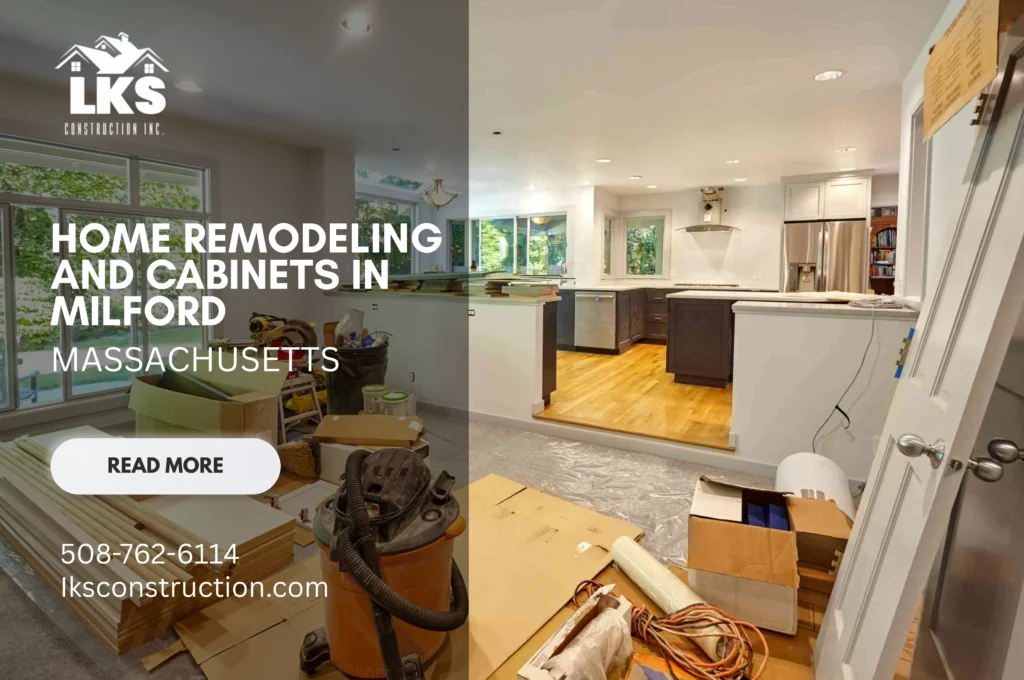
Open floor plans completely changed how kitchen remodeling contractors look at main floor layouts. Years ago, builders relied heavily on the standard work triangle to connect the sink, stove, and refrigerator. That specific setup worked fine when only one person handled meal preparation in a closed-off room. Today, families cook, socialize, and tackle daily chores in the exact same space simultaneously. Working directly with experienced home contractors in Milford helps property owners transition away from outdated layouts to highly efficient task zones. The modern household requires structural layouts that actually match how people live day to day.
What Is Kitchen Zoning and Why Does It Work?
The traditional work triangle can limit movement in a busy kitchen. It forces a single person to bounce repeatedly between three primary appliances. Zoning fixes this structural issue by dividing the room into dedicated stations for specific tasks. Each zone contains the tools and supplies needed for that activity.
If someone is baking, that specific station contains the mixer, measuring cups, and flour within arm’s reach. As a provider of home remodeling and cabinet services in Milford, MA, we often see homeowners struggle when multiple people try to cook inside a standard triangle layout. Task-based stations help solve this problem by separating different kitchen tasks into clearly defined areas.
Consider the primary structural benefits of applying this practical approach:
- Multiple family members can navigate the space without bumping into each other during busy dinner rushes.
- Daily items stay exactly where you actually use them to reduce unnecessary walking across the floor.
- Different people can handle separate chores independently at the same time.
Traditional Triangle Vs Task Zoning
| Layout Feature | Traditional Triangle Layout | Task Zoning Layout |
| Primary Focus | Single cook efficiency | Multiple users working together |
| Design Basis | Distance between three major appliances | Grouping tools by specific daily activities |
| Best Application | Small and enclosed rooms | Large and open-concept living spaces |
How Does LKS Construction Solve Common Layout Problems?
Our team examines the physical barriers in the kitchen and redesigns everything from scratch. We approach each kitchen remodeling project by observing how people move through the room during busy times of day. Kitchen remodeling contractors in Milford offer structural fixes that eliminate congestion. We look at your current workflow and adjust cabinet placements to create dedicated walkways. Our solutions focus on improving spacing, clearances, and overall workflow throughout the kitchen.
Our agency uses practical steps to fix major layout issues:
- We find dead corners and turn them into highly usable storage sections.
- We reroute heavy foot traffic away from the hot stoves and primary prep stations.
- We adjust counter heights based on the specific physical tasks performed in that spot.
Identifying and Solving Traffic Flow Issues
| Structural Problem | Root Cause | The Zoning Solution |
| Congested sink area | Preparation and cleanup share one small basin | Adding a secondary prep sink in the chopping zone |
| Blocked walkways | Open appliance doors to block heavy foot traffic | Placing major appliances outside of the main thoroughfare |
| Lack of counter space | Appliances clutter the primary preparation area | Building dedicated appliance garages within the storage zone |
Which Specific Zones Does a Modern Layout Require?
A highly functional kitchen layout usually includes five core zones.
- The consumables area stores fresh food and dry goods.
- The non-consumables area holds your everyday dishes and silverware.
- The cleaning area centers directly around the main sink and dishwasher.
- The preparation area needs plenty of counter space and sharp cutting tools.
- Finally, the hot cooking area houses the stove, oven, and heavy pots.
Dedicated kitchen remodel designers in Milford focus on putting these distinct areas in a highly logical sequence. You unpack groceries in the storage section, move food to the prep section, and finish the meal in the hot cooking section. This logical sequence minimizes backtracking across the room.
A logical progression of functional zones provides measurable daily efficiency:
- Consumable items sit close to the entrance for fast unloading after returning from the store.
- Preparation areas sit right between the raw storage and hot cooking sections.
- Cleaning sections stay highly accessible from both the prep area and the main dining table.
How Does This Adapt to Open Floor Plans?
Many newer homes blend the cooking space right into the main living room. This design style requires thoughtful planning so cooking activity does not spill into nearby social areas. By building separate functional areas, we keep the heavy cooking tasks hidden while creating inviting serving areas facing the living room.
LKS Construction provides comprehensive home and kitchen remodeling services in Medway, Holliston, Hopedale, Rocky Hill, White City, Spindleville, Valley View, South Milford, Braggville, Franklin, Uxbridge, Mendon, and Upton, MA. This broad regional service area lets our team adapt task-based layouts to hundreds of unique architectural styles.
Our agency focuses entirely on making the physical transition between the working space and the relaxing space completely seamless. If you want to evaluate your current layout and discuss practical structural improvements for your property, contact our design team today to schedule an initial consultation.
Frequently Asked Questions
Does kitchen zoning require a larger room?
Zoning works effectively in rooms of all sizes. The core principle relies on organizing tools by task, which improves daily efficiency even in limited square footage.
Can we keep the work triangle while using zones?
The standard work triangle can function as the primary cooking zone within a larger zoned layout. The two design concepts overlap easily to serve different household requirements.
How do we decide where to place each zone?
Placement depends entirely on your specific household habits. We place functional zones by tracking the natural sequence of how you unpack groceries, prepare daily meals, and serve food.